



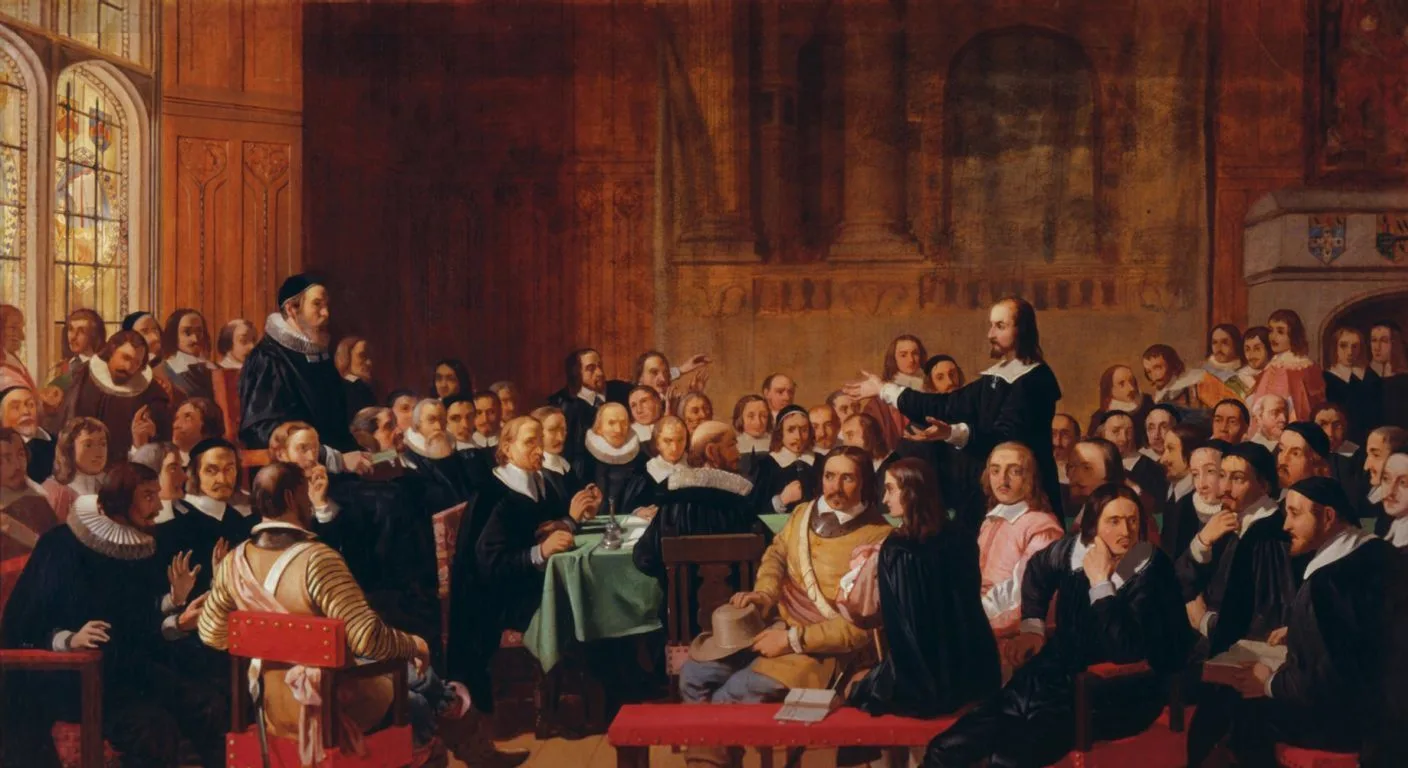
Westminster Catechism Q1-55: A Parent’s Guide to Christian Teaching
Summary of the Westminster Shorter Catechism
The Westminster Shorter Catechism is a summary of Christian beliefs written in the 17th century by a committee of British theologians. The purpose of this catechism is to provide a concise summary of the main beliefs of the Christian faith. The catechism was widely used in the Church of England in the 17th century, and is still used by many churches today as a way to teach and learn the basics of Christian doctrine.
We have updated the original text into modern English for a young audience, paying careful attention to keep as much of the original intent as possible.
We have also provided links to Scripture(ESV) for each question (called proof texts) to help you dig into the Bible with your family. After all, that’s what this catechism is derived from.
Please use this catechism as a starting point and encouragement to spend more time in the Word with your children during your family devotions.
“All scripture is given by inspiration of God, and is profitable for doctrine, for reproof, for correction, for instruction in righteousness: That the man of God may be perfect, thoroughly furnished unto all good works.”
– 2 Timothy 3:16-17
웨스트민스터 소요리 문답 아이들용 영어 원문(Westminster Shorter Catechism for Kids)을 7살 아이도 이해할 수 있도록 쉽게 바꾸었으며, 영어 원문과 성경의 의미를 최대한 그대로 전달하려고 노력했습니다. 최대한 기존 성경의 번역을 따르기 위해 새한글성경과 쉬운성경을 참조했고, 소요리 삶을 읽다 (정요석 지음) 책과 비교하며 번역했습니다. 더 정확한 번역을 위한 피드백이 있으면 댓글로 알려주세요.
영문 저작권은 Westminster Assembly – Modern Puritans 에 있습니다.
또한, 각 질문에 대한 성경 구절(증거 본문)을 함께 제공하였습니다. 가족과 함께 성경을 직접 찾아보면서 더 깊이 공부해 보세요. 이 문답은 성경에서 온 것이기 때문입니다.
부디 이 문답을 가정 예배 시간에 활용하여 자녀와 함께 하나님의 말씀을 배우는 기쁨을 누리시기 바랍니다.
“모든 성경은 하나님의 감동으로 된 것으로, 교훈과 책망과 바르게 함과 의로 교육하기에 유익하니 이는 하나님의 사람이 온전하게 되어 모든 선한 일을 행할 능력을 갖추게 하려 함이라.”
– 디모데후서 3:16-17 (새한글성경)
Q1: 우리는 왜 이 땅에 있는 걸까요? 우리의 목적은 무엇인가요?
A. 우리의 목적은 하나님의 놀라움을 나타내고(1), 영원히 하나님과 함께 기뻐하는 것입니다(2).
(1) 고린도전서 10:31; 로마서 11:36
(2) 시편 73:25-28
Q1: Why are we here on earth? What’s our purpose?
A. Our purpose is to show how amazing God is (1) and to enjoy being with Him forever (2).
(1) I Cor. 10:31; Rom. 11:36
(2) Ps. 73:25-28
Q2: 하나님께서 우리에게 주신 가르침은 무엇인가요? 우리가 하나님을 영화롭게 하고 기쁨을 누리도록 돕는 것은 무엇인가요?
A. 하나님의 말씀인 성경입니다. 성경은 구약과 신약으로 이루어져 있으며(1), 우리가 하나님을 영화롭게 하고 기쁨을 누릴 수 있도록 가르쳐 주는 유일한 책입니다(2).
(1) 디모데후서 3:16; 에베소서 2:20
(2) 요한일서 1:3-4
Q2: What instructions has God given us so we can show how great He is and experience joy in Him?
A. The Word of God, the Bible, which has two parts – the Old and New Testaments (1), is the only guide that teaches us how to show how great God is and how to experience joy in Him (2).
(1) II Tim. 3:16; Eph. 2:20
(2) I John 1:3-4
Q3: 성경이 가장 중요하게 가르치는 것은 무엇인가요?
A. 성경은 우리가 하나님에 대해 믿어야 할 것과 하나님께서 우리에게 원하시는 것이 무엇인지 가르쳐 줍니다(1).
(1) 디모데후서 1:13; 3:16
Q3: What is the main thing that the Bible teaches us?
A. The Bible mostly teaches us what we should believe about God and what God wants us to do (1).
(1) II Tim. 1:13; 3:16
Q4: 하나님은 어떤 분인가요?
A. 하나님은 영이십니다(1). 또한 하나님은 무한하시고(2), 영원하시며(3), 변함이 없으신 분입니다(4). 그리고 하나님의 존재(5), 지혜(6), 능력(7), 거룩함(8), 공의, 선하심, 그리고 진리는 완전하십니다(9).
(1) 요한복음 4:24
(2) 욥기 11:7-9
(3) 시편 90:2
(4) 야고보서 1:17
(5) 출애굽기 3:14
(6) 시편 147:5
(7) 요한계시록 4:8
(8) 요한계시록 15:4
(9) 출애굽기 34:6-7
Q4: What is God?
A. God is a Spirit, (1) infinite, (2) eternal, (3) and unchangeable, (4) in his being, (5) wisdom, (6) power, (7) holiness, (8) justice, goodness, and truth. (9)
(1) John 4:24
(2) Job 11:7-9
(3) Ps. 90:2
(4) James 1:17
(5) Exod. 3:14
(6) Ps. 147:5
(7) Rev. 4:8
(8) Rev. 15:4
(9) Exod. 34:6-7
Q5: 하나님은 한 분뿐이신가요?
A. 네, 하나님은 오직 한 분뿐이며, 살아 계시고 참되신 하나님이십니다(1).
(1) 신명기 6:4; 예레미야 10:10
Q5: Is there more than one God?
A. There is only one God, the living and true God. (1)
(1) Deut. 6:4; Jer. 10:10
Q6: 하나님은 한 분이신데, 몇 분처럼 계시나요? (하나님은 몇 위로 존재하시나요?)
A: 하나님은 세 분처럼 계세요(세 위격). 하나님 아버지(성부), 예수님(성자), 그리고 성령님이지만, 이 세 분은 모두 한 분 하나님이시고, 동등한 능력과 영광을 가지세요. (1)
(1) 요한일서 5:7; 마태복음 28:19
Q6: How many persons are there in the Godhead?
A. There are three parts of God: God the Father, God the Son (Jesus), and God the Holy Spirit. But they are all one God, equally powerful and glorious (1).
(1) I John 5:7; Matt. 28:19
Q7: 하나님의 계획은 무엇인가요?
A. 하나님의 계획은 영원히 변하지 않는 크신 뜻이며, 하나님의 영광을 나타내기 위해 완벽하게 세워진 것입니다. 하나님께서는 이미 모든 일을 정해 두셨습니다(1).
(1) 에베소서 1:4, 11; 로마서 9:22-23
Q7: What are God’s plans?
A. God’s plans are His big ideas that will last forever, made just the way He wants, to show how great He is. He has already figured out everything that’s going to happen (1).
(1) Eph. 1:4, 11; Rom. 9:22-23
Q8: 하나님은 어떻게 당신의 계획을 이루시나요?
A. 하나님께서는 만물을 창조하시고, 모든 것을 돌보심으로 당신의 계획을 이루십니다.
Q8: How does God make His plans happen?
A. God makes His plans happen by creating everything and taking care of it all.
Q9: 창조란 무엇인가요?
A. 창조란 하나님께서 아무것도 없는 상태에서 말씀으로 모든 것을 6일 동안 만드신 것이며, 하나님께서 만드신 모든 것이 매우 좋았습니다(1).
(1) 창세기 1장; 히브리서 11:3
Q9: What is the work of creation?
A. God’s work of creation means that God made everything from nothing, just by saying it, in six days, and everything He made was really good (1).
Q10: 하나님께서는 사람을 어떻게 만드셨나요?
A. 하나님께서는 남자와 여자를 하나님의 형상을 따라 지으셨으며, 지혜롭고 선하며 거룩하게 만드셨습니다. 그리고 그들에게 동물들을 다스릴 권한을 주셨습니다(1).
(1) 창세기 1:26-28; 골로새서 3:10; 에베소서 4:24
Q10: How did God make people?
A. God made people, boys and girls, to be like Him, with knowledge, goodness, and holiness. He also let them be in charge of all the animals (1).
(1) Gen. 1:26-28; Col. 3:10; Eph. 4:24.
Q11: 하나님께서 모든 것을 돌보신다는 것은 무슨 뜻인가요?
A. 하나님께서 모든 것을 돌보신다는 것은 하나님께서 사랑으로(1), 지혜롭게(2), 그리고 강한 능력으로(3) 모든 것을 다스리시며, 피조물의 모든 일을 주관하신다는 뜻입니다(4).
(1) 시편 145:17
(2) 시편 104:24; 이사야 28:29
(3) 히브리서 1:3
(4) 시편 103:19; 마태복음 10:29-31
Q11: What does it mean when we say God takes care of everything?
A. God’s works of care mean that He lovingly (1), wisely (2), and strongly (3) takes care of all His creations and everything they do (4).
(1) Ps. 145:17
(2) Ps. 104:24; Isa. 28:29
(3) Heb. 1:3
(4) Ps. 103:19; Matt. 10:29-31
Q12: 하나님께서는 처음 사람을 어떻게 돌보셨나요?
A. 하나님께서는 처음 사람을 만드셨을 때, 그들과 특별한 약속(언약)을 맺으셨습니다. 하나님께서는 그들에게 항상 하나님께 순종해야 한다고 말씀하시고, ‘선악을 알게 하는 나무’의 열매를 먹으면 반드시 죽을 것이라고 경고하셨습니다(1).
(1) 갈라디아서 3:12; 창세기 2:17
Q12: What special way did God take care of people when He first created them?
A. When God first made people, He made a special promise with them. He asked them to always obey Him perfectly and told them not to eat from a certain tree, the Tree of the Knowledge of Good and Evil. He also told them that if they didn’t listen and ate from that tree, they would die (1).
Q13: 처음 사람들은 하나님께서 만드신 모습 그대로 남아 있었나요?
A. 아니요. 처음 사람들은 스스로 선택할 수 있는 자유를 가졌지만, 하나님께 불순종하는 죄를 짓고 변하고 말았습니다(1).
(1) 창세기 3:6-8, 13; 전도서 7:29
Q13. Did our first parents stay the same as when God first made them?
A. No, our first parents, who could make their own choices, didn’t stay the same. They did something wrong against God and changed from how they were when God first made them (1).
(1) Gen. 3:6-8, 13; Eccles. 7:29
Q14: 죄란 무엇인가요?
A. 죄란 하나님의 말씀을 따르지 않는 것이거나 하나님의 법을 어기는 모든 행동입니다(1).
(1) 요한일서 3:4
Q14: What is sin?
A. Sin is when we don’t listen to God’s rules or when we do something that breaks God’s rules. (1)
(1) I John 3:4
Q15: 처음 사람들은 어떤 죄를 지었나요?
A. 하나님께서 먹지 말라고 하신 나무의 열매를 따먹는 죄를 지었습니다(1).
(1) 창세기 3:6, 12
Q15. What was the wrong thing that our first parents did that changed them from how they were when God first made them?
A. The wrong thing that the first people did was eating the fruit from the tree that God told them not to eat from (1).
Q16: 아담이 처음 죄를 지었을 때, 모든 사람이 죄인이 되었나요?
A. 네. 아담은 인류의 대표였기 때문에, 그의 죄로 인해 모든 사람이 죄인이 되었습니다(1).
(1) 창세기 2:16-17; 로마서 5:12; 고린도전서 15:21-22
Q16: Did everyone fall when Adam first sinned?
A. Yes, when Adam, the first man, broke his special promise with God, it affected everyone. Because Adam was the first dad for all people, his mistake caused everyone who came after him to also break the covanent (1).
(1) Gen. 2:16-17; Rom. 5:12; I Cor. 15:21-22
Q17: 사람들은 죄를 지은 후 어떻게 되었나요?
A. 사람들은 죄 때문에 하나님과 멀어졌고, 고통과 불행을 겪게 되었습니다(1).
(1) 로마서 5:12
Q17: What happened to people because of the first big sin they made?
A. Because of the first big sin, people ended up in state of sin and misery. (1)
(1) Rom. 5:12.
Q18: 사람이 죄를 지었다는 것은 무슨 뜻인가요?
A. 죄로 인해 사람들은 아담의 죄책을 물려받았고, 처음 가졌던 거룩함을 잃어버렸으며, 본성이 죄로 물들었습니다. 이것을 ‘원죄’라고 합니다. 또한 이로 인해 사람들은 스스로 죄를 짓게 됩니다(1).
(1) 로마서 5:12, 19; 5:10-20; 에베소서 2:1-3; 야고보서 1:14-15; 마태복음 15:19
Q18: What does it mean that people fell into a sinful state?
A. The sinful state means that people carry the guilt of Adam’s first sin, they lost their perfect goodness, and their whole nature became corrupt, which we often call Original Sin. It also includes all the wrong things that people do because of this (1).
(1) Rom. 5:12, 19; 5:10-20; Eph. 2:1-3; James 1:14-15; Matt. 15:19
Q19: 죄로 인해 사람들은 어떤 고통을 겪게 되었나요?
A. 사람들은 죄로 인해 하나님과의 관계가 끊어졌고(1), 하나님의 진노와 저주를 받았으며(2), 인생에서 여러 가지 고난과 죽음을 겪게 되었고, 결국 영원한 심판을 받게 되었습니다(3).
(1) 창세기 3:8, 10, 24
(2) 에베소서 2:2-3, 갈라디아서 3:10
(3) 예레미야애가 3:39; 로마서 6:23; 마태복음 25:41, 46
Q19: What does it mean that people fell into a state of suffering?
A. Because people fell from grace, they lost their connection with God (1), are under His wrath and curse (2), and now they have to face all kinds of troubles in life, death, and even the eternal suffering of hell (3).
(2) Eph. 2:2-3, Gal. 3:10
(3) Lam. 3:39; Rom. 6:23, Matt. 25:41, 46
Q20: 하나님께서는 모든 사람이 죄 가운데 그대로 머물게 두셨나요?
A. 아니요. 하나님께서는 자신의 뜻대로 어떤 사람들을 선택하셔서(1), 죄와 고통에서 구원하고 예수 그리스도를 통해 영원한 생명을 주시기로 약속하셨습니다(2).
(1) 에베소서 1:4
(2) 로마서 3:20-22; 갈라디아서 3:21-22
Q20: Did God let everyone stay in their sad and sinful state?
A. God, out of his own free will, chose some people to have eternal life (1) since the beginning of time. He made a special promise to save them from a life of sin and suffering, and to bring them to a life of salvation by a Redeemer (2).
(1) Eph. 1:4
(2) Rom. 3:20-22; Gal. 3:21-22
Q21: 하나님께서 선택하신 사람들을 구원하시는 분은 누구인가요?
A. 하나님의 백성을 구원하시는 유일한 분은 예수 그리스도이십니다(1). 예수님은 하나님의 영원한 아들이시며 사람이 되셨습니다(2). 예수님은 완전한 하나님이시면서 동시에 완전한 사람이시며, 영원토록 그러하십니다(3).
(1) 디모데전서 2:5-6
(2) 요한복음 1:14; 갈라디아서 4:4
(3) 로마서 9:5; 누가복음 1:35; 골로새서 2:9; 히브리서 7:24-25
Q21: Who is the Redeemer of God’s chosen people?
A. The only one who can save God’s chosen people is the Lord Jesus Christ (1), who is the eternal Son of God and became man (2). He is both God and a person at the same time, but is still one person forever (3).
(1) I Tim. 2:5-6.
(3) Rom. 9:5; Luke 1:35; Col. 2:9; Heb. 7:24-25.
Q22: 하나님의 아들이신 예수님은 어떻게 사람이 되셨나요?
A. 예수님은 참된 몸(1)과 영혼(2)을 가지신 사람이 되셨습니다. 예수님은 성령의 능력으로 그의 어머니 마리아의 뱃속에서 잉태되셨고(3), 그녀에게서 태어나셨지만, 죄가 없으셨습니다(4).
(1) 히브리서 2:14, 16; 10:5
(2) 마태복음 26:38
(3) 누가복음 1:27, 31, 35, 42; 갈라디아서 4:4
(4) 히브리서 4:15; 7:26
Q22: How did Jesus, who is the Son of God, become man?
A. Jesus, the Son of God, became human by taking on a real body (1) and a rational soul (2). He was made in the belly of Mary, His mother, by the power of the Holy Spirit, and was born from her (3), but He never sinned (4).
(2) Matt. 26:38
(3) Luke 1:27, 31, 35, 42; Gal. 4:4
Q23: 예수님은 구원자로서 어떤 일을 하셨나요?
A. 예수님은 우리의 구원자로서 세 가지 중요한 일을 하셨습니다. 예수님은 선지자(1), 제사장(2), 왕(3)이십니다. 예수님은 낮아지셨을 때도, 높아지셨을 때도 이 일을 하셨습니다(4).
(1) 사도행전 3:21-22; 히브리서 12:25
(2) 히브리서 5:5-7; 7:25
(3) 시편 2:6; 이사야 9:6-7; 마태복음 21:5
(4) 시편 2:8-11
Q23: What jobs does Jesus do as our Redeemer, the one who saves us?
A. As our Redeemer, Jesus does three important jobs. He is a prophet, a priest, and a king. He did these jobs when he was humble and when he was lifted high (1).
(1) Acts 3:21-22; Heb. 12:25. Cf. II Cor. 13:3; Heb. 5:5-7; 7:25; Ps. 2:6; Isa. 9:6-7; Matt. 21:5; Ps. 2:8-11.
Q24: 예수님은 어떻게 선지자의 역할을 하셨나요?
A. 예수님은 말씀과 성령을 통해 하나님께서 우리를 어떻게 구원하시는지 알려주심으로 선지자의 역할을 하셨습니다(1).
(1) 요한복음 1:18; 베드로전서 1:10-12; 요한복음 15:15; 20:31
Q24: How does Jesus do the job of a prophet?
A. Jesus does the job of a prophet by using His words and Spirit to show us how God wants us to be saved (1).
(1) John 1:18; I Peter 1:10-12; John 15:15; 20:31.
Q25: 예수님은 어떻게 제사장의 역할을 하셨나요?
A. 예수님은 단 한 번 자신을 희생제물로 드려 하나님과 우리 사이를 화해시키셨으며(1), 지금도 항상 우리를 위해 기도하고 계십니다(2).
(1) 히브리서 9:14, 28
(2) 히브리서 2:17; 7:24-25
Q25: How does Jesus do the job of a priest?
A. Jesus does the job of a priest by giving Himself as a sacrifice one time to make things right with God (1), to bring us back to God again (2), and by always interceding for us (3).
(2) Heb. 2:17
(3) Heb. 7:24-25
Q26: 예수님은 어떻게 왕의 역할을 하셨나요?
A. 예수님은 우리를 하나님의 나라로 부르시고(1), 다스리시며(2), 보호하시고(3), 하나님과 우리를 대적하는 모든 원수를 이기심으로 왕의 역할을 하십니다(4).
(1) 사도행전 15:14-16
(2) 이사야 33:22
(3) 이사야 32:1-2
(4) 고린도전서 15:25; 시편 110편
Q26: How does Jesus do the job of a king?
A. Jesus does the job of a king by making us part of His kingdom (1), by ruling over us (2) and protecting us (3), and by defeating all the enemies that are against Him and us (4).
(1) Acts 15:14-16
(2) Isa. 33:22
(3) Isa. 32:1-2
(4) I Cor. 15:25, Ps. 110
Q27: 예수님은 어떻게 낮아지셨나요?
A. 예수님은 가난한 모습으로 태어나셨고(1), 율법을 지키셨으며(2), 세상에서 고난을 받으셨고(3), 하나님의 진노를 감당하셨으며(4), 십자가에서 죽으셨습니다(5). 또한 예수님은 장사되셨고(6), 일정 기간 동안 죽음의 상태에 계셨습니다(7).
(1) 누가복음 2:7
(2) 갈라디아서 4:4
(3) 히브리서 12:2-3; 이사야 53:2-3
(4) 누가복음 22:44; 마태복음 27:46
(5) 빌립보서 2:8
(6) 고린도전서 15:3-4
(7) 사도행전 2:24-27, 31
Q27: How was Jesus humiliated?
A. Jesus was humbled or brought low by being born in a simple, lowly place (1), by following all the laws (2), by going through tough times in life (3), by facing God’s anger (4), and by dying a cursed death on the cross (5); He was also buried (6) and stayed dead for a little while (7).
(1) Luke 2:7
(2) Gal. 4:4
(3) Heb. 12:2-3; Isa. 53:2-3
(4) Luke 22:44; Matt. 27:46
(5) Phil. 2:8
(6) I Cor. 15:3-4
(7) Acts 2:24-27, 31
Q28: 예수님은 어떻게 높아지셨나요?
A. 예수님은 죽음에서 다시 살아나셨고(1), 하늘로 올라가셨으며(2), 하나님 아버지의 오른편에 앉아 계시고(3), 마지막 날에 다시 오셔서 세상을 심판하실 것입니다(4).
(1) 고린도전서 15:4
(2) 마가복음 16:19
(3) 에베소서 1:20
(4) 사도행전 1:11; 17:31
Q28: How much was Jesus lifted high or honored?
A. Jesus came back to life on the third day (1), He went up into heaven (2), He is sitting at the right hand of God the Father (3), and He will come back to judge the world on the last day (4).
(1) I Cor. 15:4
(2) Mark 16:19
(3) Eph. 1:20
Q29: 우리는 어떻게 예수님께서 이루신 구원을 받을 수 있나요?
A. 예수님께서 이루신 구원은 성령님을 통해 우리 삶에서 실제로 이루어질 때 받을 수 있습니다(1).
(1) 요한복음 1:11-12; 디도서 3:5-6
Q29: How do we get to share in the rescue that Jesus bought for us?
A. We get to be part of the redemption that Jesus bought for us when (1) it becomes real in our lives, and this is done by His Holy Spirit (2).
(1) John 1:11-12
(2) Titus 3:5-6
Q30: 성령님은 어떻게 예수님께서 이루신 구원을 우리에게 적용하시나요?
A. 성령님은 우리가 예수님을 믿도록 도우시고(1), 부르심을 통해 예수님과 연결되게 하심으로 우리에게 구원을 적용하십니다(2).
(1) 에베소서 1:13-14; 요한복음 6:37, 39; 에베소서 2:8
(2) 에베소서 3:17; 고린도전서 1:9
Q30: How does the Holy Spirit make the rescue that Jesus bought for us real in our lives?
A. The Holy Spirit makes the redemption that Jesus bought for us real in our lives by helping us to have faith (1) and by joining us to Jesus when He calls us (2).
(1) Eph. 1:13-14; John 6:37, 39; Eph. 2:8.
(2) Eph. 3:17, I Cor. 1:9.
Q31: 효과적인 부르심이란 무엇인가요?
A. 효과적인 부르심은 성령님께서(1) 우리의 죄를 깨닫고 회개하게 하시며(2), 예수님을 알도록 도우시고(3), 우리의 마음을 변화시키셔서(4), 복음 안에서 예수님을 받아들이게 하시는 것입니다(5).
(1) 디모데후서 1:9; 데살로니가후서 2:13-14
(2) 사도행전 2:37
(3) 사도행전 26:18
(4) 에스겔 36:26-27
(5) 요한복음 6:44-45; 빌립보서 2:13
Q31: What is effectual calling?
A. Effectual calling is when God’s Spirit (1) helps us realize we’ve done wrong and feel sorry about it (2), helps us understand more about Jesus (3), and changes our hearts (4), so that we can say yes to Jesus who is freely given to us in the good news of the Bible (5).
(1) II Tim. 1:9; II Thess. 2:13-14
(2) Acts 2:37
(3) Acts 26:18
(4) Ezek. 36:26-27
(5) John 6:44-45; Phil. 2:13
Q32: 효과적으로 부르심을 받은 사람들이 이 땅에서 받는 축복은 무엇인가요?
A. 하나님께서 부르신 사람들은 의롭게 되며(1), 하나님의 자녀가 되고(2), 점점 하나님을 닮아 가는 축복을 받습니다. 그리고 이 모든 축복에서 나오는 다른 많은 유익들도 받습니다(3).
(1) 로마서 8:30
(2) 에베소서 1:5
(3) 고린도전서 1:26, 30
Q32: What benefits do those who are effectually called receive in this life?
A. People who are truly called get to experience being made right with God (1), being adopted into God’s family (2), and becoming more like God, along with many other good things that come from these (3).
(1) Rom. 8:30
(2) Eph. 1:5
(3) I Cor. 1:26, 30
Q33: 의롭게 된다는 것은 무엇인가요?
A. 의롭게 된다는 것은 하나님께서 은혜로 우리의 모든 죄를 용서해 주시고(1), 우리를 의롭다고 여겨 주시는 것입니다(2). 이 의로움은 오직 예수님의 의를 우리에게 주심으로 이루어지며(3), 우리는 오직 믿음으로 그것을 받습니다(4).
(1) 로마서 3:24-25; 4:6-8
(2) 고린도후서 5:19, 21
(3) 로마서 5:17-19
(4) 갈라디아서 2:16; 빌립보서 3:9
Q33: What is justification?
A. Justification is when God, because he is gracious, forgives all our wrongdoings (1) and sees us as good in His eyes (2). This happens only because of the righteousness of Jesus that is given to us (3) and we receive it by faith alone (4).
(1) Rom. 3:24-25; 4:6-8
(2) II Cor. 5:19, 21
(3) Rom. 5:17-19
Q34: 하나님의 자녀가 된다는 것은 무엇인가요?
A. 하나님의 자녀가 된다는 것은 하나님께서 그의 은혜로(1) 우리를 그의 가족으로 받아 주시고, 하나님의 자녀로서 모든 복을 누릴 수 있도록 허락해 주시는 것입니다(2).
(1) 요한일서 3:1
(2) 요한복음 1:12; 로마서 8:17
Q34: What is adoption?
Adoption is when God, because He is so kind (1), invites us into His family and gives us the right to enjoy all the good things that His children get (2).
(1) I John 3:1
Q35: 성화(거룩해짐)란 무엇인가요?
A. 성화란 하나님께서 그의 은혜로(1) 우리를 점점 변화시켜 하나님을 닮아가게 하시고(2), 죄를 점점 멀리하고 선한 일을 더 많이 하게 하시는 과정입니다(3).
(1) 데살로니가후서 2:13
(2) 에베소서 4:23-24
(3) 로마서 6:4, 6
Q35: What is sanctification?
A. Sanctification is when God, because He is so kind (1), changes us completely to be more like Him (2), and helps us to say ‘no’ to doing wrong and ‘yes’ to doing right more and more (3).
(1) II Thess. 2:13
(2) Eph. 4:23-24
Q36: 의롭게 됨, 하나님의 자녀 됨, 거룩해짐을 통해 우리가 이 땅에서 받는 축복은 무엇인가요?
A. 하나님께 의롭다고 여겨지고, 하나님의 자녀가 되고, 점점 거룩해지는 사람들은 이 땅에서 하나님의 사랑을 확신하게 되고, 마음의 평안을 얻으며(1), 성령님 안에서 기쁨을 누리고(2), 은혜가 점점 자라며(3), 끝까지 믿음을 지키는 축복을 받습니다(4).
(1) 로마서 5:1-2, 5
(2) 로마서 14:17
(3) 잠언 4:18
(4) 요한일서 5:13; 베드로전서 1:5
Q36: What are the benefits that come from justification, adoption, and sanctification in this life?
A. The good things that come with being made right with God, being adopted into His family, and becoming more like Him in this life are being sure of God’s love, peace of conscience (1), joy in the Holy Spirit (2), an increase of grace (3), and perseverance until the end (4).
(1) Rom. 5:1-2, 5.
(2) Rom. 14:17.
(3) Prov. 4:18.
(4) I John 5:13; I Pet. 1:5.
Q37: 그리스도인들은 죽을 때 어떤 복을 받나요?
A. 믿는 사람들이 죽을 때, 그들의 영혼은 즉시 온전히 거룩하게 되어(1), 천국으로 가고(2), 그들의 몸은 여전히 그리스도와 연결되어 있으며(3), 무덤에서 쉬다가(4), 부활을 기다리게 됩니다(5).
(1) 히브리서 12:23
(2) 고린도후서 5:1, 6, 8; 빌립보서 1:23; 누가복음 23:43
(3) 데살로니가전서 4:14
(4) 이사야 57:2
(5) 욥기 19:26-27
Q37: What good things do Christians receive from Jesus when they die?
A. When believers die, their souls become perfectly holy right away (1) and they go straight to heaven (2). Their bodies stay connected to Christ (3) and rest in their graves (4) until the resurrection (5).
(1) Heb. 12:23
(2) II Cor. 5:1, 6, 8; Phil. 1:23; Luke 23:43
(3) I Thess. 4:14
(4) Isa. 57:2
(5) Job 19:26-27
Q38: 마지막 날에 그리스도인들은 어떤 복을 받나요?
A. 마지막 날, 믿는 사람들은 영광스럽게 변화될 것이며(1), 심판 날에 의롭다고 선언될 것입니다(2). 그리고 영원히 하나님을 기쁘게 섬기며(3), 하나님과 함께 행복하게 살 것입니다(4).
(1) 고린도전서 15:43
(2) 마태복음 25:23; 10:32
(3) 요한일서 3:2; 고린도전서 13:12
(4) 데살로니가전서 4:17-18
Q38: What good things do believers receive from Jesus when they are raised from the dead?
A. When believers are raised from the dead, they will be lifted up in glory (1), they will be openly seen and declared not guilty on the day of judgment (2), and they will be perfectly happy enjoying God (3) forever and ever (4).
(1) I Cor. 15:43
(2) Matt. 25:23; 10:32
(3) I John 3:2; I Cor. 13:12
(4) I Thess. 4:17-18
Q39: 하나님께서 사람들에게 요구하시는 것은 무엇인가요?
A. 하나님께서 사람들에게 요구하시는 것은 그의 뜻을 따르는 것입니다(1).
(1) 미가 6:8; 사무엘상 15:22
Q39: What does God want people to do?
A. What God asks people to do is to follow what He has told us He wants. (1)
(1) Micah 6:8; I Sam. 15:22
Q40: 하나님께서 처음 사람들에게 주신 규칙은 무엇인가요?
A. 하나님께서 처음 사람들에게 주신 규칙은 도덕법(하나님의 법)입니다(1).
(1) 로마서 2:14-15; 10:5
Q40: What was the first thing God showed people as the rule they should follow?
A. The first rule that God showed people to follow was the moral law. (1)
(1) Rom. 2:14-15; 10:5
Q41: 도덕법은 어디에 요약되어 있나요?
A. 도덕법은 십계명에 요약되어 있습니다(1).
(1) 신명기 10:4
Q41: Where is the moral law summarized?
A. The moral law is summarized in the Ten Commandments. (1)
(1) Deut. 10:4
Q42: 십계명의 핵심 내용은 무엇인가요?
A. 십계명의 핵심 내용은 하나님을 우리의 마음과 영혼과 힘과 뜻을 다하여 사랑하고, 이웃을 우리 자신처럼 사랑하는 것입니다(1).
(1) 마태복음 22:37-40
Q42: What is the main point of the Ten Commandments?
A. The main point of the Ten Commandments is to love God with all our heart, soul, strength, and mind, and to love our neighbor as ourselves. (1)
(1) Matt. 22:37-40
Q43: 십계명의 서문은 무엇인가요?
A. 십계명의 서문은 “나는 너를 애굽 땅, 종 되었던 집에서 인도하여 낸 네 하나님 여호와니라”입니다(1).
(1) 출애굽기 20:2
Q43: What is the introduction to the Ten Commandments?
A. The introduction to the Ten Commandments is, “I am the Lord your God, who brought you out of the land of Egypt, out of the house of slavery.” (1)
(1) Exod. 20:2
Q44: 십계명의 서문은 우리에게 무엇을 가르쳐 주나요?
A. 십계명의 서문은 하나님께서 우리의 주인이시며, 우리의 하나님이시고, 우리의 구원자이시기 때문에 그의 모든 계명을 지켜야 한다는 것을 가르쳐 줍니다(1).
(1) 누가복음 1:74-75; 베드로전서 1:15-19
Q44: What does the introduction to the Ten Commandments teach us?
A. The introduction to the Ten Commandments teaches us that because God is our Lord, our God, and the one who saves us, we should do what all His commandments say (1).
(1) Luke 1:74-75; I Pet. 1:15-19
Q45: 첫 번째 계명은 무엇인가요?
A. 첫 번째 계명은 “너는 나 외에는 다른 신들을 네게 두지 말라”입니다(1).
(1) 출애굽기 20:3
Q45: What is the first commandment?
A. The first commandment says, “You should not put anything else before me as your God.” (1)
(1) Exod. 20:3
Q46: 첫 번째 계명이 우리에게 요구하는 것은 무엇인가요?
A. 첫 번째 계명은 하나님만이 참된 하나님이시며 우리의 하나님이심을 알고 인정하며(1), 오직 하나님만을 예배하고 영화롭게 하라고 요구합니다(2).
(1) 역대상 28:9; 신명기 26:17
(2) 마태복음 4:10; 시편 29:2
Q46. What does the first commandment ask us to do?
A. The first commandment asks us to know and accept that God is the only real God and He is our God (1), and to worship and glorify Him in the right way (2).
(1) I Chron. 28:9; Deut. 26:17
(2) Matt. 4:10; Ps. 29:2
Q47: 첫 번째 계명이 금지하는 것은 무엇인가요?
A. 첫 번째 계명은 하나님을 무시하거나(1), 하나님을 하나님답게 섬기지 않는 것(2), 그리고 하나님보다 다른 것을 더 중요하게 여기고 따르는 것을 금지합니다(3).
(1) 시편 14:1
(2) 로마서 1:21
(3) 시편 81:10-11
Q47: What does the first commandment tell us not to do?
A. The first commandment tells us not to ignore (1) or not to show love and respect to the real God as God (2) and our God (3), and not to show that love and respect to anyone or anything else but Him alone (4).
(1) Ps. 14:1
(2) Rom. 1:21
(3) Ps. 81:10-11
(4) Rom. 1:25-26
Q48: 첫 번째 계명의 “내 앞에서”라는 말은 무엇을 의미하나요?
A. “내 앞에서”라는 말은 하나님께서 모든 것을 보고 계시며, 우리가 하나님보다 다른 것을 더 사랑할 때 그것을 기뻐하지 않으신다는 것을 의미합니다(1).
(1) 에스겔 8:5-18
Q48: What special lesson do we learn from the words “before me” in the first commandment?
A. The words “before me” in the first commandment teach us that God, who sees everything, notices and is not happy when we treat anything else like it’s our God (1).
(1) Ezek. 8:5-18
Q49: 두 번째 계명은 무엇인가요?
A. 두 번째 계명은 다음과 같습니다.
“너를 위하여 새긴 우상을 만들지 말고, 하늘 위에 있는 것이나 땅 아래 있는 것이나, 땅 아래 물 속에 있는 것의 어떤 형상도 만들지 말며, 그것들에게 절하지 말고 섬기지 말라. 나 여호와 네 하나님은 질투하는 하나님이라. 나를 미워하는 자의 죄를 갚되 삼사 대까지 이르게 하거니와, 나를 사랑하고 내 계명을 지키는 자에게는 천 대까지 은혜를 베푸느니라.” (1)
(1) 출애굽기 20:4-6
Q49: Which is the second commandment?
A. The second commandment says, “Don’t make any statues or pictures of anything in the sky above, or on the earth below, or in the waters under the earth. Don’t bow down to them or serve them, because I, the Lord your God, am a God who wants all your love. I will punish the children of those who hate me for the wrong things their parents did, up to the third and fourth generation. But I will show kindness to thousands of generations of those who love me and follow my rules.” (1)
(1) Exod. 20:4-6
Q50: 두 번째 계명이 우리에게 요구하는 것은 무엇인가요?
A. 두 번째 계명은 하나님께서 성경에서 말씀하신 방식대로만 하나님을 예배하고 섬기라고 가르쳐 줍니다(1).
(1) 신명기 32:46; 마태복음 28:20; 사도행전 2:42
Q50: What does the second commandment tell us to do?
A. The second commandment God gave us tells us to follow and respect all the special ways He told us to worship Him in the Bible (1).
(1) Deut. 32:46; Matt. 28:20; Acts. 2:42.
Q51: 두 번째 계명이 금지하는 것은 무엇인가요?
A. 두 번째 계명은 하나님을 섬길 때, 우리가 만든 우상이나 그림을 사용하거나, 하나님께서 명령하지 않으신 방법으로 하나님을 예배하는 것을 금지합니다(1).
(1) 신명기 4:15-19; 출애굽기 32:5, 8
Q51: What does the second commandment say we can’t do?
A. The second commandment tells us not to show our love for God by making or using pictures or statues of Him. (1) It also tells us that we should only show our love for God in the ways that He has told us in the Bible. (2)
(1) Deut. 4:15-19; Exod. 32:5, 8
(2) Deut. 12:31-32
Q52: 두 번째 계명을 주신 이유는 무엇인가요?
A. 하나님께서 두 번째 계명을 주신 이유는 하나님이 우리의 주인이시며(1), 우리의 창조주이시고(2), 오직 하나님만을 예배하도록 하시기 위함입니다(3).
(1) 시편 95:2-3, 6
(2) 시편 45:11
(3) 출애굽기 34:13-14
Q52: Why do we have the second commandment?
A. The reasons for the second commandment are because God is in charge of us (1), He made us (2), and He really wants us to worship Him in the right way. (3)
(1) Ps. 95:2-3, 6. (2) Ps. 45:11. (3) Exod. 34:13-14.
Q53: 세 번째 계명은 무엇인가요?
A. 세 번째 계명은 다음과 같습니다.
“너는 네 하나님 여호와의 이름을 망령되이 일컫지 말라. 나 여호와는 내 이름을 망령되이 일컫는 자를 죄 없다 하지 아니하리라.” (1)
(1) 출애굽기 20:7
Q53: What is the third commandment?
A. The third commandment is, “Don’t misuse the name of the Lord your God: because God won’t let anyone who uses His name wrongly get away with it.” (1)
(1) Exod. 20:7
Q54: 세 번째 계명이 우리에게 요구하는 것은 무엇인가요?
A. 세 번째 계명은 하나님의 이름(1), 하나님의 칭호(2), 하나님의 속성(3), 하나님의 말씀(4), 하나님의 일(5)을 경건하고 존경하는 태도로 사용하라고 가르쳐 줍니다(6).
(1) 마태복음 6:9; 신명기 28:58
(2) 시편 68:4
(3) 요한계시록 15:3-4
(4) 말라기 1:11, 14
(5) 시편 138:1-2
(6) 욥기 36:24
Q54: What does the third commandment ask us to do?
A. The third commandment asks us to use God’s names (1), titles (2), qualities (3), special rules (4), words (5), and actions (6) in a respectful and special way.
(1) Matt. 6:9; Deut. 28:58
(2) Ps. 68:4
(3) Rev. 15:3-4
(5) Ps. 138:1-2
(6) Job 36:24
Q55: 세 번째 계명이 금지하는 것은 무엇인가요?
A. 세 번째 계명은 하나님의 이름을 경솔하거나 불경건한 방식으로 사용하는 것(1), 그리고 하나님에 대해 경멸하거나 거짓되게 말하는 것을 금지합니다(2).
(1) 말라기 1:6-7, 12; 2:2; 3:14
(2) 레위기 19:12; 마태복음 5:34-37
Q55: What does the third commandment tell us not to do?
A. The third commandment tells us not to be disrespectful or use wrongly anything that shows us who God is (1).
(1) Mal. 1:6-7, 12; 2:2; 3:14
계속……..