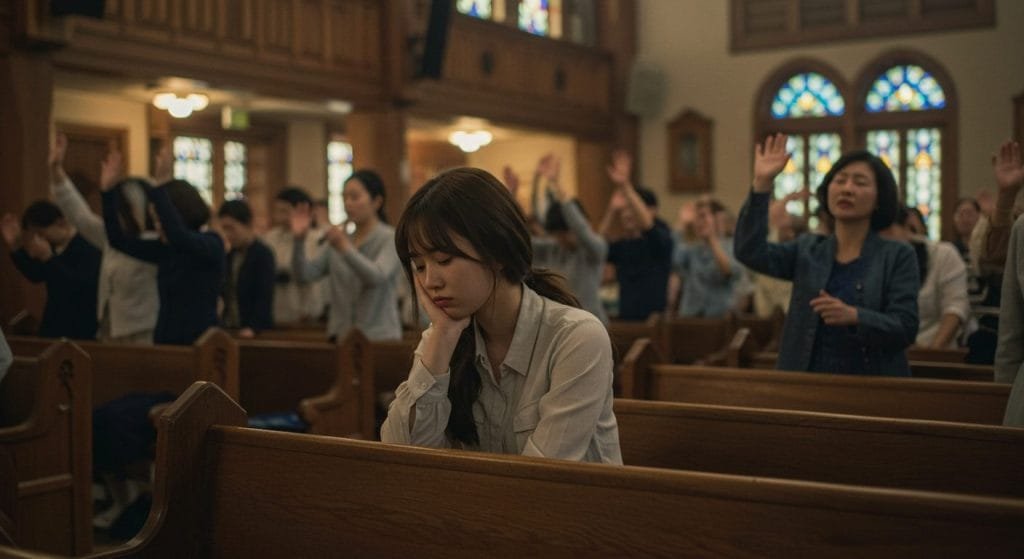




Christian Freedom: Where to Draw the Line?
Christian Freedom: Where to Draw the Line?
“Can Christians drink alcohol?”
“Is getting a tattoo a sin?”
“Do I have to attend early morning prayer?”
If you’ve ever asked yourself these questions, you’re not alone.
Different churches have different rules, and sometimes, certain traditions feel more like laws than personal convictions.
So, what does Christian freedom really mean?
How much freedom do we have, and where should we set boundaries?
Let’s explore what the Bible says about Christian liberty and how we can use it wisely.
1️⃣ What Is Christian Liberty?
Christian liberty means that believers are free to make choices in areas where the Bible does not give a direct command.
It’s a key principle in Reformed theology, helping us navigate between legalism (strict rule-following) and antinomianism (lawlessness).
The Bible teaches that we are not bound by human-made traditions but should instead follow God’s word and the leading of the Holy Spirit.
📖 “For freedom Christ has set us free; stand firm therefore, and do not submit again to a yoke of slavery.” (Galatians 5:1, ESV)
2️⃣ Where Do We Have Freedom?
✅ (1) Freedom from Legalistic Traditions
Christians are not obligated to follow extra rules that people have added to faith.
The essence of our faith is in biblical truth, not man-made customs.
📌 Examples of Traditions We Are Free From:
✔ Fasting – It’s beneficial but not required for salvation.
✔ Worship Style – Hymns or contemporary worship, both are acceptable.
✔ Early Morning Prayer – It’s a great practice, but it’s not a biblical command.
📖 “Christ has set us free so that we will remain free. Stand firm, then, and don’t submit to the bondage of slavery again!” (Galatians 5:1, ESV)
✅ (2) Freedom in Non-Essential Matters
In areas where the Bible does not give a direct command, we are free to follow our convictions.
This is called “freedom in non-essential matters.”
📖 “One person esteems one day as better than another, while another esteems all days alike. Each one should be fully convinced in his own mind.” (Romans 14:5, ESV)
📌 Examples of Non-Essential Choices:
✔ Food Choices – Whether you eat pork, beef, or go vegan, it’s up to you.
✔ Clothing at Church – There’s no biblical rule that says you must wear a suit.
✔ Worship Timing – Whether you attend Sunday morning or evening service, both are fine.
3️⃣ But Christian Liberty Is NOT an Excuse for Sin
Some people misunderstand Christian freedom and think it means,
“I can do whatever I want because I’m free!”
The Bible warns against misusing freedom for selfish desires.
📖 “Be careful, however, that the exercise of your rights does not become a stumbling block to the weak.” (1 Corinthians 8:9, ESV)
✅ (1) Freedom Must Be Used with Love and Consideration
Christian liberty should never harm others or cause someone to stumble in their faith.
📌 Examples:
✔ Drinking Alcohol – The Bible does not prohibit drinking, but if it causes someone to struggle, it’s wise to refrain.
✔ Food Choices – If someone has dietary convictions, we should respect them.
✅ (2) Freedom Is NOT a License to Sin
Christian freedom does not mean we can justify sinful behavior.
📖 “For you were called to freedom, brothers. Only do not use your freedom as an opportunity for the flesh, but through love serve one another.” (Galatians 5:13, ESV)
📌 Examples of What Is NOT Christian Liberty:
❌ Lying, sexual immorality, greed – These are clearly called sin in Scripture.
❌ Moral compromise – “I’m free” is never an excuse to go against God’s commands.
4️⃣ Conclusion: Christian Liberty Is About Honouring God
Christian liberty is not about doing whatever we want but about making choices that glorify God.
📖 “So, whether you eat or drink, or whatever you do, do all to the glory of God.” (1 Corinthians 10:31, ESV)
✔ Key Takeaways
✅ Freedom from Legalism: Man-made traditions (fasting, worship style, early morning prayer) are optional, not required.
✅ Freedom in Non-Essentials: We are free to make choices in areas the Bible does not command, like food, clothing, and worship times.
✅ Freedom Requires Love: Our choices should not harm or cause others to stumble.
✅ Freedom Is Not a License to Sin: Christian liberty should never be used to justify sinful actions.
💬 What Do You Think?
How do you understand Christian liberty?
Do you struggle with balancing freedom and responsibility?
Let’s discuss! Share your thoughts in the comments. 😊