



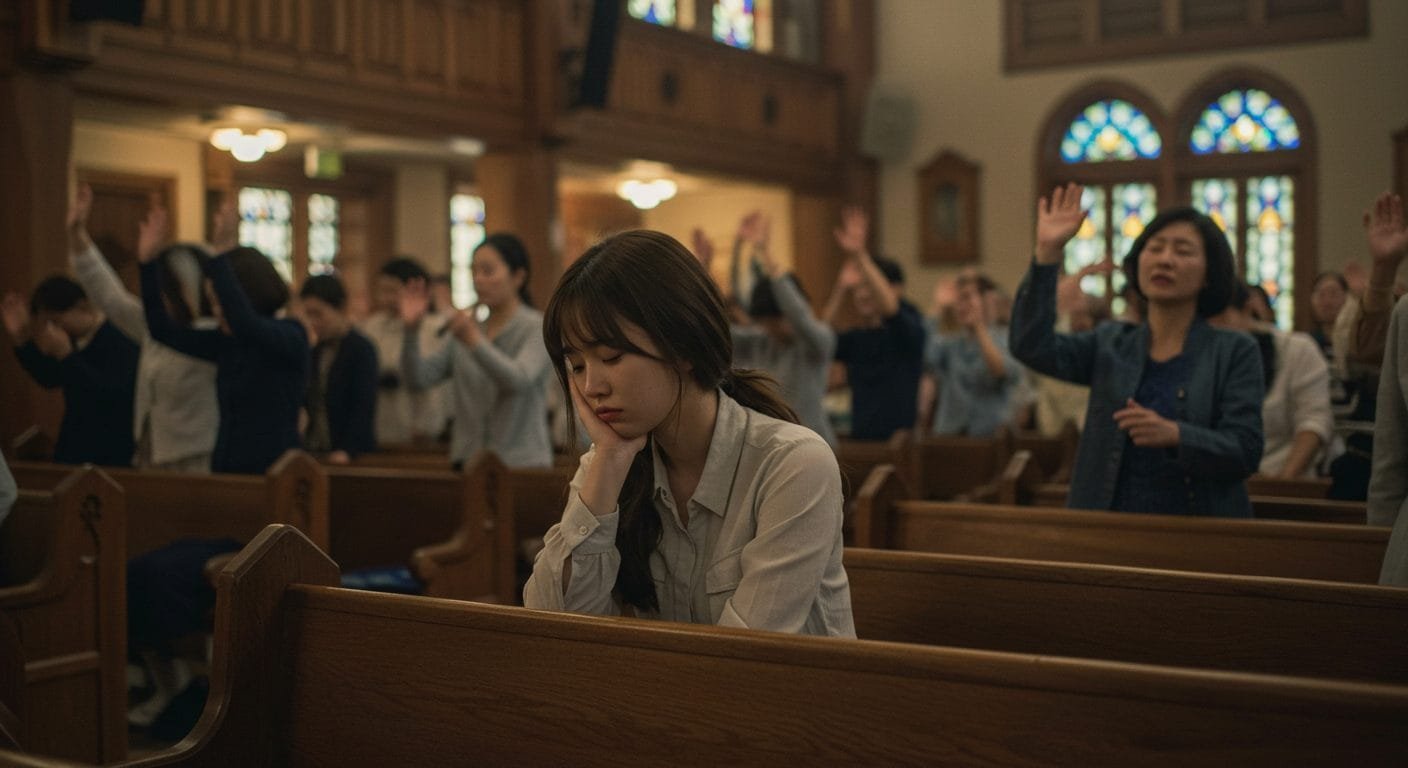
What’s the Point of Worship? Here’s Why It Matters
“How’s your worship life these days?”
Have you ever found yourself halfway through a Sunday service wondering, “Why am I doing this?”
Most of us show up every week—singing songs, listening to sermons, following the same flow. It’s easy for worship to become just another routine.
Honestly, I’ve been there too. I’d sit through worship without really thinking about the heart behind it.
But after years of studying church history and biblical counselling, I realised this: we often lose sight of the real reason we worship.
Today, I want us to rediscover what truly matters.
Worship Is a Life Centred on God
The Westminster Confession of Faith famously says:
“Man’s chief end is to glorify God and to enjoy Him forever.”
Worship (latreia) is far more than songs and sermons.
It’s about offering our whole lives to God in total devotion.
Paul describes it powerfully in Romans 12:1-2:
“I appeal to you therefore, brothers, by the mercies of God, to present your bodies as a living sacrifice, holy and acceptable to God, which is your spiritual worship.” (ESV)
In other words, worship is surrendering every part of who we are—our time, talents, thoughts, and desires—to glorify God.
The Kind of Worship God Delights In
Not every act of worship pleases God.
Jesus points this out in His conversation with the Samaritan woman:
“The hour is coming, and is now here, when the true worshipers will worship the Father in spirit and truth.” (John 4:23, ESV)
Two key elements:
1) In Spirit
Worship must be sincere, flowing from the heart through the Holy Spirit—not mechanical or superficial.
2) In Truth
It must be rooted in the truth of the Gospel, not just tradition or emotionalism.
John Calvin emphasises in Institutes of the Christian Religion:
“The true worship God receives is not based on human invention but solely regulated by God’s Word.”
— John Calvin, Institutes of the Christian Religion
Church History’s Wake-Up Call: Reforming Worship
History shows us how easily worship can lose its focus.
Bruce Shelley’s Church History in Plain Language highlights how medieval worship became ritualistic and void of genuine engagement.
The Reformers stepped in:
- Martin Luther brought the focus back to Word-centred worship.
- John Calvin fought to ensure worship stayed grounded in Scripture and the Gospel’s core truths.
Their message was clear:
Worship is about glorifying God, not human traditions.
Worship Isn’t Just for Sundays
Ever thought worship ends once the Sunday service finishes?
Paul reminds us in Colossians 3:17:
“And whatever you do, in word or deed, do everything in the name of the Lord Jesus, giving thanks to God the Father through him.” (ESV)
Worship continues through every moment of life.
Whether you’re at work, resting at home, or out with friends—each action can become an offering to God.
Practical Ways to Restore Worship’s Core
- Before worship, ask:
“Who am I really worshipping today?” - In your daily routine:
“Is this action honouring God?” - During service:
Engage intentionally—pay attention to the lyrics, Scripture, and prayers. Don’t stay passive.
Questions to Reflect On
- Has my worship become a mindless routine?
- Do I see the fruit of worship in how I live daily?
- Is Gospel truth truly at the centre of my worship?
A Short Prayer
“Lord, I don’t want worship to be confined to an hour on Sunday.
Help me live every day as a genuine offering to You.
Let my heart and life be shaped by Your truth.
In Jesus’ name, Amen.”
📚 References
- John Calvin, Institutes of the Christian Religion
- Bruce Shelley, Church History in Plain Language
- Michael Goheen & Craig Bartholomew, Living at the Crossroads
- Bible: Romans 12:1-2, John 4:23-24, Colossians 3:17